
Managing Humidity in Tampa Homes: A Guide for Year-Round Comfort
If you live in Tampa Bay, you already know humidity isn’t just a seasonal issue; it’s a year-round challenge. Even when your air conditioner is running, your home can still feel sticky, uncomfortable, and harder to cool.
Properly managing humidity in Tampa homes is essential not just for comfort, but also for protecting your home, improving indoor air quality, and keeping your HVAC system running efficiently.
Here’s what every Tampa homeowner should know.
Why Managing Humidity Is Essential in Tampa Bay
Tampa’s climate is known for its high humidity levels, often exceeding 60% for much of the year. That moisture doesn’t just stay outside; it finds its way into your home.
When humidity levels are too high, it can lead to:
That’s why managing humidity in Tampa homes is just as important as cooling the air itself.
What Is the Ideal Humidity Level for Your Home?
For most homes, the ideal indoor humidity level is between 45% and 55%. In Tampa, however, many homes operate at above-60 % humidity, especially during the summer months.
When humidity is high:
This creates a cycle of higher energy bills without improved comfort.
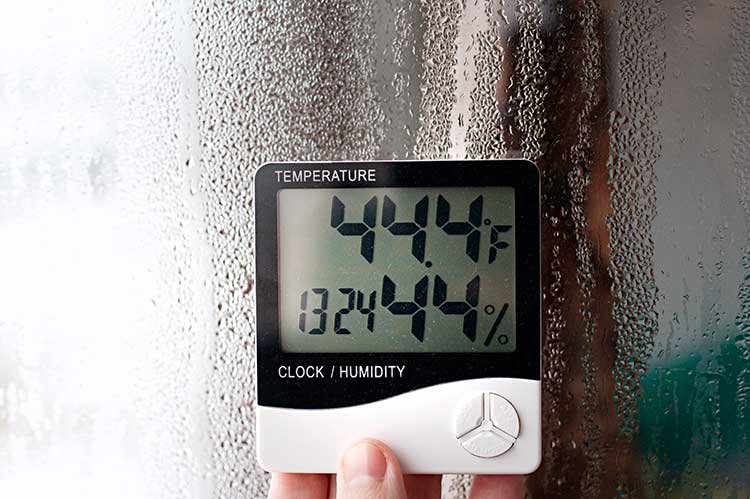
Signs Your Home Has Too Much Humidity
Not sure if humidity is an issue in your home? Look for these common signs:
If you notice these issues, it may be time to focus on reducing humidity in Tampa homes effectively.
Why Your AC May Not Be Controlling Humidity Properly
Many homeowners assume their air conditioner automatically controls humidity. While it does help, it doesn’t always solve the problem—especially if something isn’t working correctly.
Common causes include:
Oversized AC Systems
If your system is too large, it cools the home quickly but doesn’t run long enough to remove moisture.
You can learn more about proper sizing and efficiency in this guide on SEER ratings and AC sizing.
Short Cycling
Frequent on-and-off cycles prevent proper dehumidification.
Dirty Coils or Filters
Blocked airflow reduces your system’s ability to remove moisture.
Routine service like AC maintenance helps ensure your system runs efficiently.
Ductwork or Airflow Issues
Leaks or restrictions in your duct system can impact humidity control.
How Your Thermostat Settings Affect Humidity
Your thermostat plays a bigger role in humidity than most homeowners realize.
AUTO vs. ON Fan Setting
- AUTO: Fan runs only when cooling, allowing moisture to drain properly
- ON: Fan runs continuously, which can reintroduce moisture into the air
For Florida homes, the AUTO setting is usually best for humidity control.
Lowering the Temperature Isn’t Always the Answer
Many homeowners try to reduce humidity by lowering the thermostat. This often leads to:
Smart Thermostat Benefits
Modern thermostats can help regulate both temperature and humidity more effectively.
Learn more about options on our thermostat solutions page.
Best Ways to Reduce Humidity in Tampa Homes
Managing humidity requires a combination of daily habits and HVAC solutions.
Simple Everyday Fixes
Start with these easy steps:
HVAC-Based Solutions
For long-term results, your HVAC system must be optimized.
Routine service helps your system remove moisture effectively while improving efficiency.
Indoor Air Quality Solutions
Advanced solutions can significantly improve humidity control:
Explore these options on our Indoor Air Quality page.
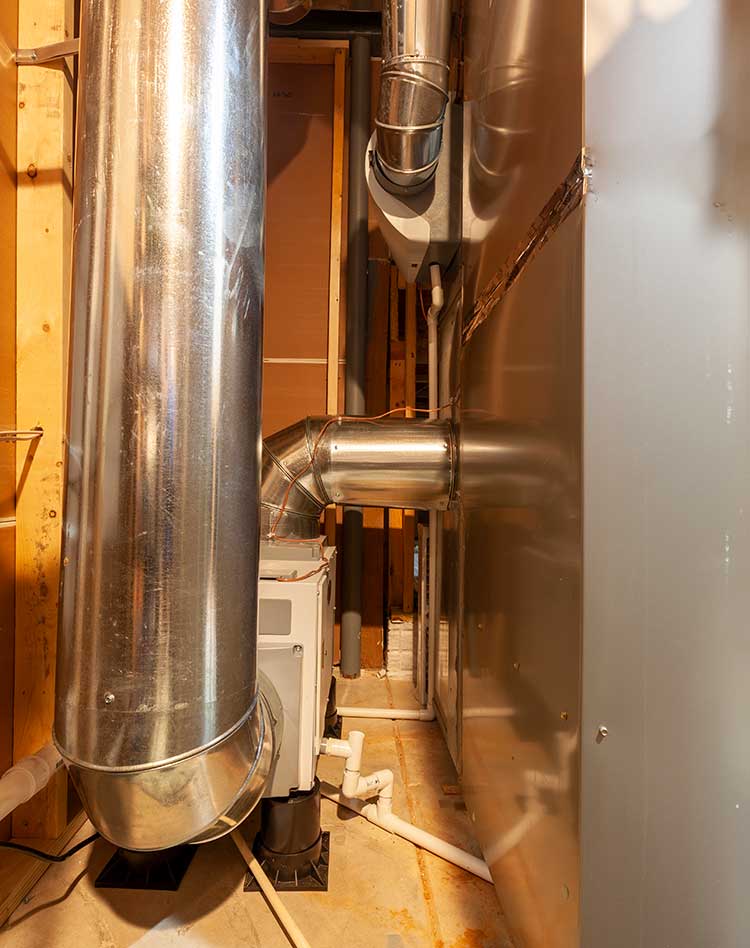
A whole-house dehumidifier with its duct attached to the HVAC system of a house. It monitors the humidity of the circulating air and removes moisture, creating comfort in the entire house.
Managing Humidity While You’re Away (Snowbird Tips)
If you leave your Tampa home for part of the year, humidity control becomes even more important.
Here are key tips:
Ignoring humidity while away can lead to:
When to Call an HVAC Professional
If you’ve tried basic fixes and still struggle with humidity, it may be time for professional help.
Call a technician if you notice:
At Air Rescue Air Conditioning, we’ve been helping Tampa Bay homeowners manage indoor comfort for over 70 years.
Our highly trained technicians focus on solutions, not sales, so you can make informed decisions with confidence.
Take Control of Humidity in Your Tampa Home
Managing humidity in Tampa homes is essential for comfort, efficiency, and long-term home protection.
Whether it’s adjusting your thermostat, improving airflow, or upgrading your indoor air quality systems, the right approach can make a noticeable difference.
If you’re ready to improve your home’s comfort, schedule a professional inspection with Air Rescue Air Conditioning today. Contact us.
“It’s Air Rescue to the Rescue!”, because we care about your air.