
New EPA AC Refrigerant Rules: What Florida Homeowners Need to Know Before Replacing an AC
If you’ve turned on local news recently or spoken with an HVAC contractor, you may have heard that the EPA (Environmental Protection Agency) introduced sweeping updates to air conditioning manufacturing standards. These AC refrigerant rules mandate a transition away from older refrigerants like R-410A in favor of next-generation, eco-friendly cooling gases.
Naturally, this leaves many Tampa Bay homeowners wondering:
Let’s set the record straight, clear up common high-pressure sales myths, and explain how you can maximize local rebates if it’s time to upgrade your home’s cooling system.
1. What Are the New Eco-Friendly AC Refrigerant Rules?
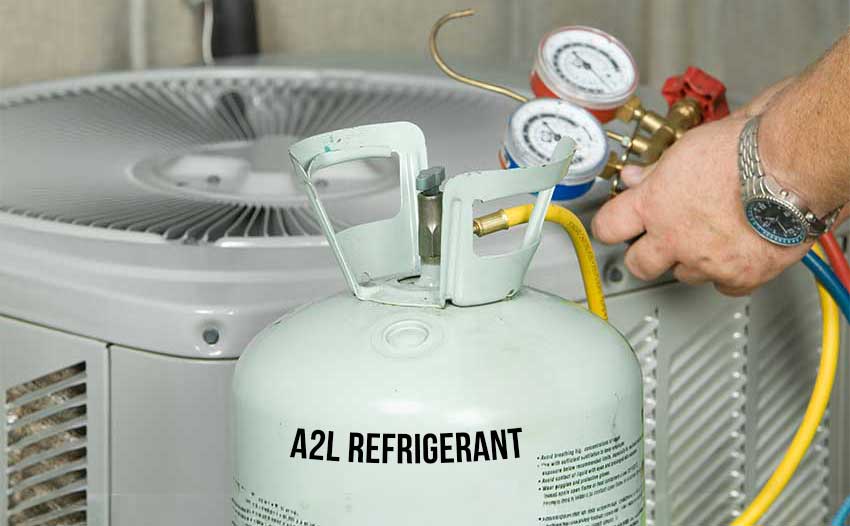
Under recent EPA environmental guidelines, manufacturers have transitioned to systems designed for new, lower-global-warming-potential (low-GWP) refrigerants as part of updated EPA regulations.
The transition is part of the American Innovation and Manufacturing (AIM) Act, which requires a gradual reduction in high-global-warming-potential refrigerants.
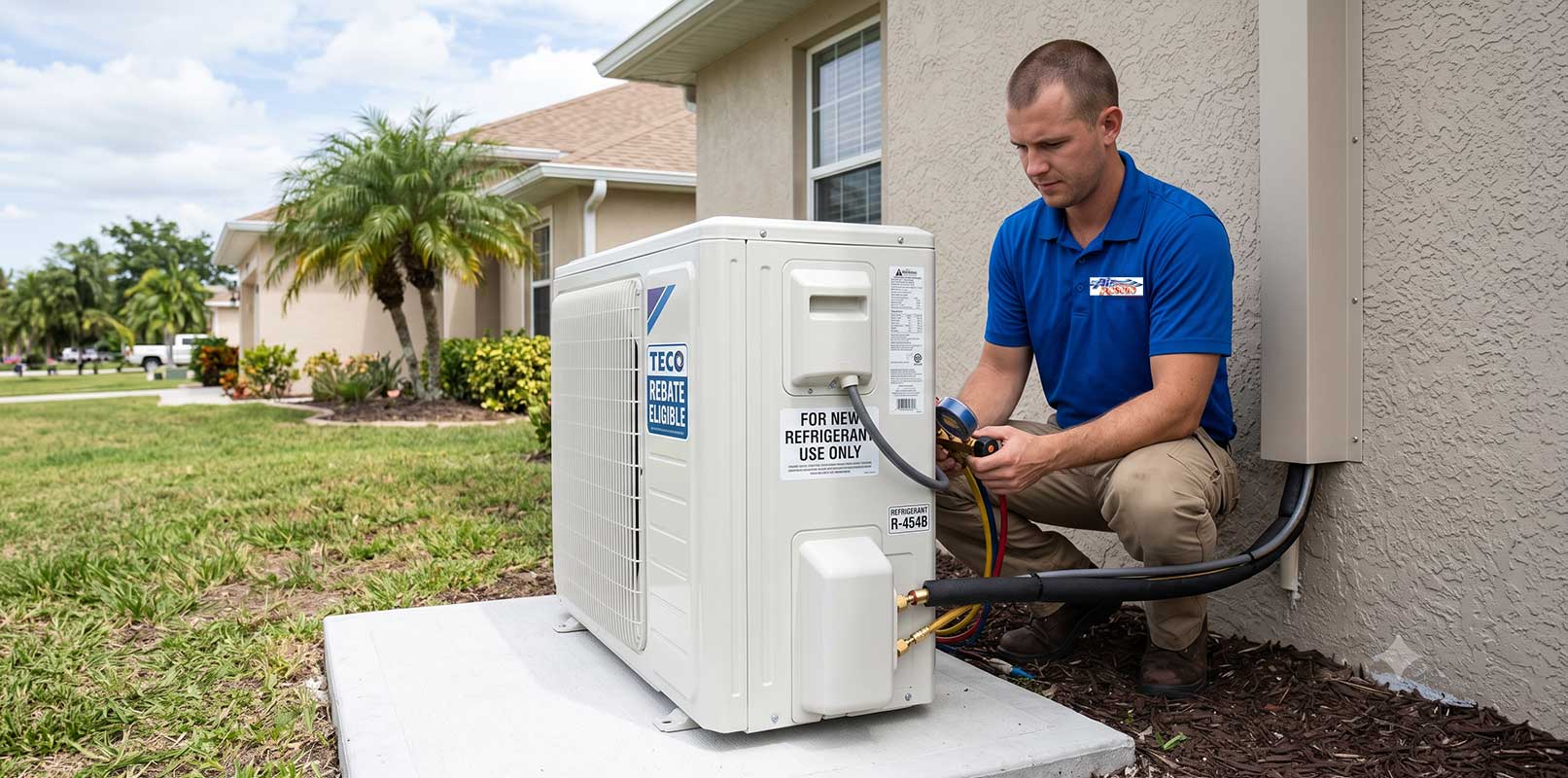
Most residential AC units now use modern, low-GWP (Global Warming Potential) eco-friendly refrigerants, such as R-32 or R-454B. These updated systems deliver superior energy efficiency, reduce greenhouse gas emissions, and keep homes cooler during scorching Florida summers without harming the ozone layer.
Safety First: Modern Systems Are Built Smarter
You might read technical articles mentioning that new refrigerants fall under an updated safety classification. Here’s what that means in plain English:
2. “Do I Have to Replace My Working R-410A System?”
The Short Answer: Absolutely not.
If your current AC unit is keeping your home comfortable and isn’t suffering from major mechanical breakdowns, there is no legal requirement to replace it under current AC refrigerant rules.
Unfortunately, some unethical door-to-door salesmen or high-pressure sales representatives use these EPA updates as a scare tactic, telling homeowners that older systems are illegal or banned.
Here is the truth:
3. How the Transition Helps You Save Money on a New System
If your AC is older than 10 to 12 years, frequently leaking, or driving up your summer electric bills, replacing it with a next-generation system designed for current AC refrigerant rules offers massive financial perks:
A. Substantial Utility Rebates in Tampa Bay
Because modern eco-friendly systems meet strict high-efficiency (SEER2) ratings, local power companies offer generous cash-back rebates to help offset replacement costs:
Rebate programs frequently change based on utility funding and equipment efficiency ratings. An experienced HVAC contractor can help determine which incentives apply to your home.
Federal Tax Credits:
Depending on the equipment installed, qualifying high-efficiency heat pumps may also be eligible for federal tax credits under the Inflation Reduction Act.
B. Drastic Energy Bill Reductions
Newer systems designed under new AC refrigerant rules remove moisture from humid Florida air much faster while drawing significantly less electricity, keeping indoor humidity low and monthly power bills manageable.
Don’t Overpay: Use Our Online Quote Comparison Tool
Since 1946, Air Rescue technicians have helped thousands of Tampa Bay homeowners repair, maintain, and replace air conditioning systems through multiple refrigerant transitions—from R-22 to R-410A and now to today’s low-GWP refrigerants.
Upgrading your home’s cooling system is a major investment, and nobody should feel pressured into paying inflated prices. With Air Rescue’s Online Quote Comparison Tool, you can get an honest second opinion.
Need an Honest Opinion on Your Air Conditioner?

Whether you need a simple repair, routine seasonal maintenance, or a free second opinion on an AC replacement quote, Air Rescue Air Conditioning has been keeping Tampa Bay families cool and comfortable
Contact our expert team 24/7 for an initial consultationsince 1946.