
Thermostat Issues and Their Effect on Your HVAC System
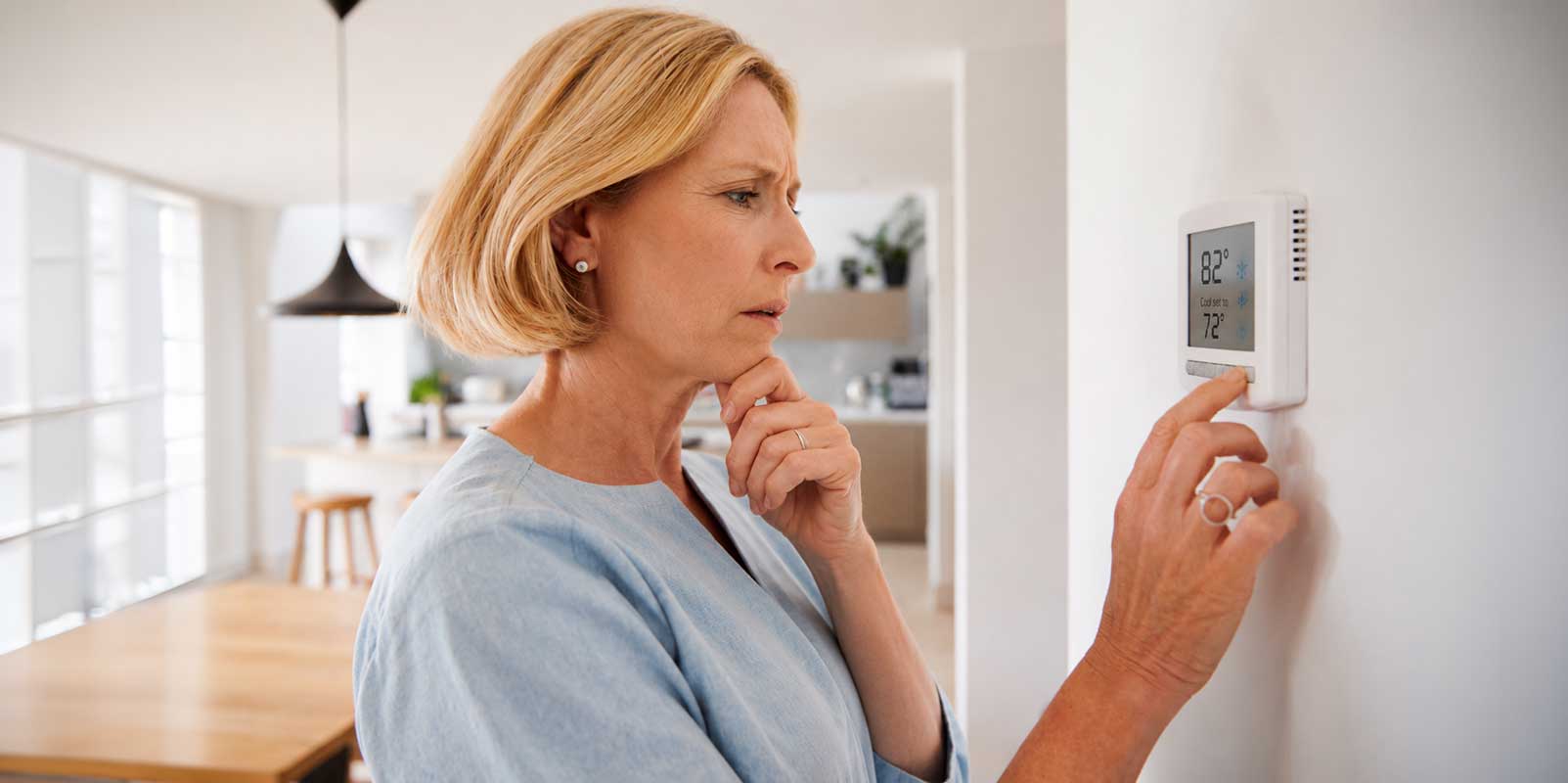
Your thermostat is the command center of your HVAC system. Even a minor issue, such as weak batteries, incorrect settings, or a faulty sensor, can make it seem like your air conditioner has completely stopped working.
Fortunately, many thermostat issues have simple solutions you can check yourself before scheduling service.
This guide walks Tampa Bay homeowners through five easy diagnostic steps to help determine whether the thermostat is causing the problem or whether your air conditioning system needs professional attention.
Step 1. Is the Thermostat Screen Blank?
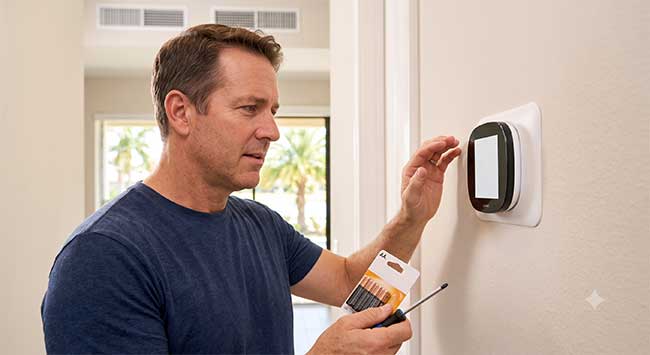
If your thermostat display is completely dark, start with the simplest possibilities.
Check for:
If replacing the batteries doesn’t restore power, the problem may involve the HVAC control circuit rather than the thermostat itself.
Call a professional if:
The screen remains blank after replacing batteries and resetting the breaker.
Step 2. Is the Thermostat Set Correctly?
It sounds obvious, but incorrect settings are one of the most common thermostat issues technicians encounter.
Verify:
Many smart thermostats automatically switch schedules after software updates or power interruptions.
Florida Tip
During Tampa Bay’s long cooling season, keeping the fan set to Auto generally provides better humidity control than leaving it on continuously. Continuous fan operation can circulate moisture back into your home after the compressor shuts off, making the house feel clammy even when the temperature looks correct.
Step 3. Is Your AC Short Cycling?
If your system starts and stops every few minutes, don’t automatically assume the air conditioner is failing.
Thermostat issues can also cause short cycling.
Possible causes include:
Short cycling increases wear on compressors, raises utility bills, and prevents your home from cooling evenly.
Step 4. Is the AC Running But Not Cooling?
If the thermostat appears to work normally but warm air continues blowing from the vents, the thermostat may not actually be the problem.
Other possibilities include:
If the thermostat is calling for cooling and the outdoor unit is running, the issue is likely somewhere within the air conditioning system itself.
Step 5. Are You Using a Smart Thermostat in an Older Home?
Many Tampa Bay homes built before the early 2000s weren’t originally wired for today’s smart thermostats.
One of the most common installation problems involves the C-wire (common wire).
Without a properly connected C-wire, homeowners may experience:
Some smart thermostats advertise compatibility without a C-wire, but not every HVAC system supports those installation methods safely.
Improper wiring can damage low-voltage control boards or create intermittent HVAC problems that are difficult to diagnose.
Smart Thermostats and Florida Heat Pumps
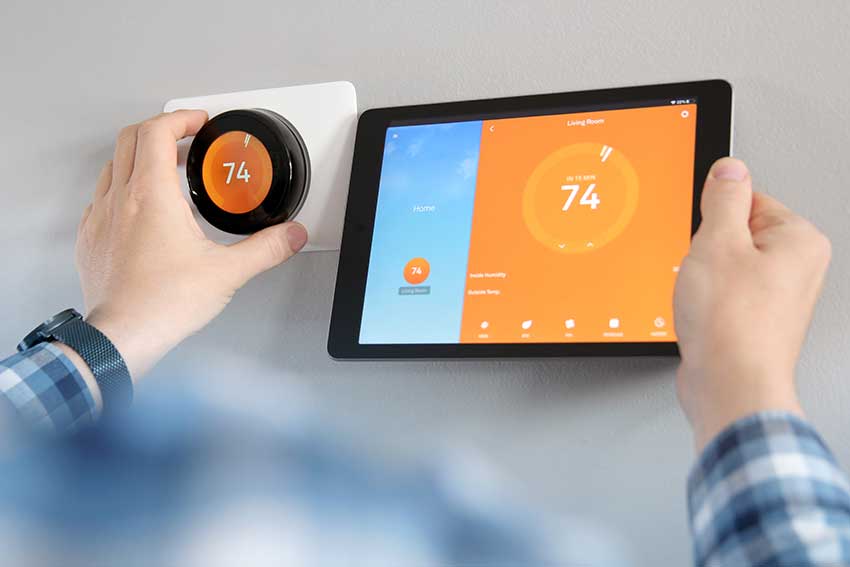
Many Florida homes use heat pump systems instead of traditional furnaces. Modern smart thermostats must be configured correctly for the type of heat pump installed.
Improper programming may:
Professional setup makes sure your thermostat communicates correctly with your heat pump throughout the year.
When Thermostat Issues Aren’t Really Thermostat Issues
Many HVAC problems initially appear to be thermostat failures. In reality, the thermostat is simply reporting that another component isn’t responding correctly.
Professional diagnostics can determine whether the issue involves:
Replacing the thermostat without diagnosing the entire system often wastes time and money.
Prevent Thermostat Problems Before They Start
A few simple habits can help prevent common thermostat issues.
During professional maintenance visits, technicians also verify that your thermostat is accurately reading room temperature and communicating properly with your HVAC equipment.
Having Thermostat Issues?
At Air Rescue Air Conditioning, our licensed technicians diagnose the entire HVAC system, not just the thermostat, to identify the true source of the problem. Whether you have a traditional programmable thermostat or the latest smart home controls, we help homeowners throughout Tampa, Largo, Clearwater, Wesley Chapel, Winter Haven, and surrounding Tampa Bay communities restore reliable comfort with accurate diagnostics and lasting repairs.
A thermostat that’s blank, unresponsive, or constantly changing temperatures doesn’t always mean it needs to be replaced. The underlying issue could involve your HVAC controls, wiring, or air conditioning system.
If you’re experiencing thermostat issues or your AC isn’t responding the way it should, Air Rescue Air Conditioning can diagnose and fix your thermostat issues. Contact us today to schedule professional HVAC service anywhere in the Tampa Bay area.