
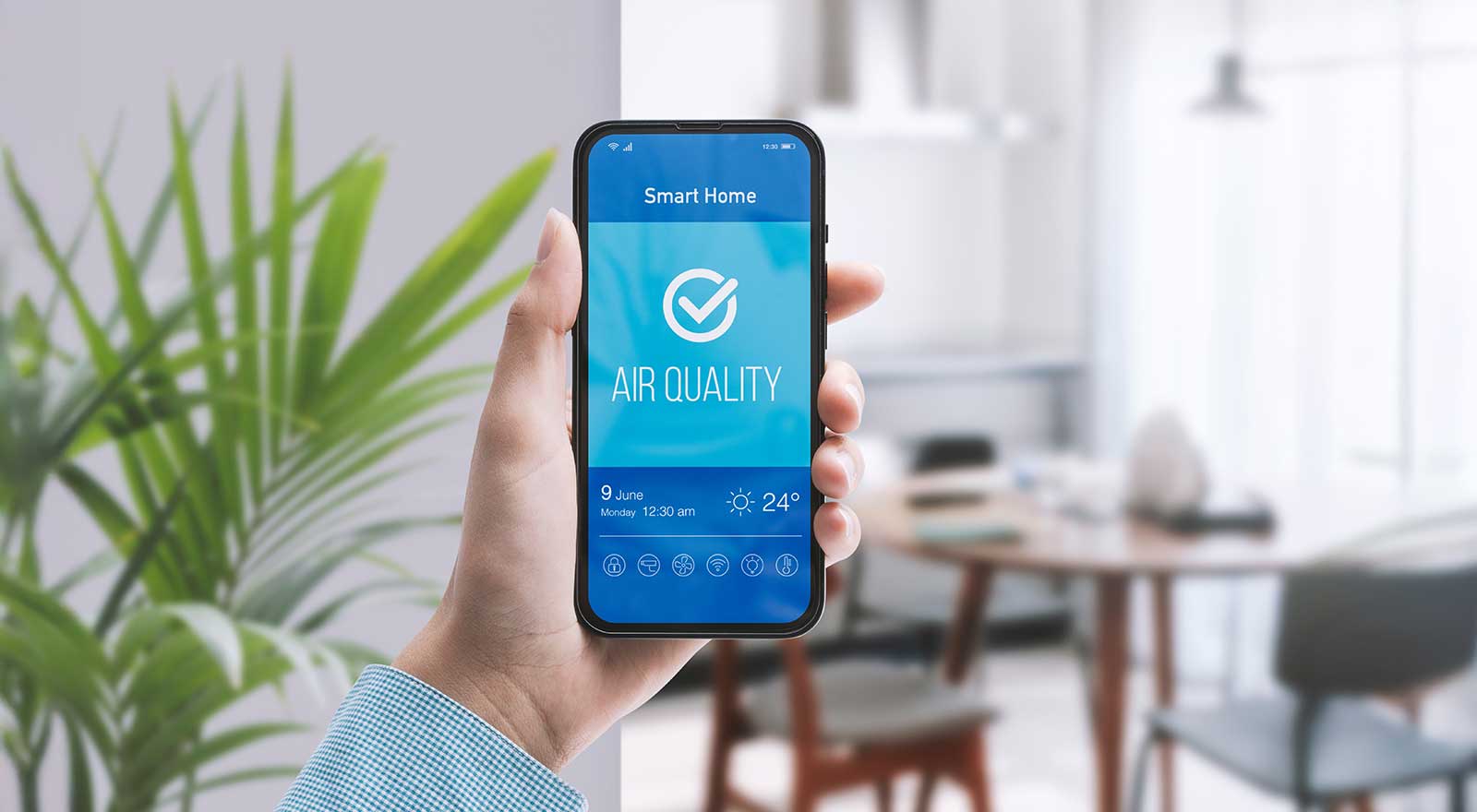
Breathe Easy This Winter: How to Improve Indoor Air Quality in Florida Homes
When winter arrives in Florida, indoor air quality often slips under the radar. Cooler temperatures mean more time spent indoors, windows staying closed, and HVAC systems running longer hours. That combination allows dust, humidity, odors, and airborne irritants to build up inside your home.
If you’ve ever searched for a home air quality inspection, noticed lingering odors, or felt your home seemed stuffy despite regular cleaning, you’re not alone. This guide explains why indoor air quality declines during Florida’s winter months, how to spot hidden issues, and what steps you can take to keep your home’s air clean and healthy.
Why Indoor Air Quality Declines During Florida Winters
Even without freezing temperatures, winter changes how Florida homes circulate air. Common seasonal IAQ challenges include:
These factors can make indoor air feel stale or heavy, even in well-maintained homes.
What Homeowners Mean by a “Home Air Quality Inspection”
Most homeowners searching for a home air quality inspection are really looking for answers, such as:
While formal laboratory IAQ testing is handled by environmental specialists, a professional HVAC inspection can uncover many of the most common air quality problems, including:
Air Rescue’s discounted Safety Inspection and Free Diagnostic Service provide homeowners with a practical, affordable way to understand what’s happening inside their HVAC system—the main driver of indoor air quality.
DIY vs Professional Air Quality Testing
DIY Air Quality Monitors
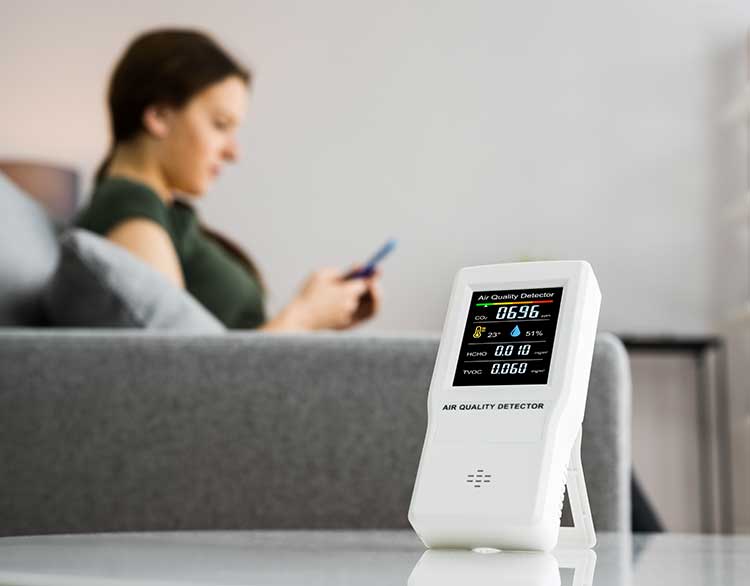
Home air quality monitors measure basics such as particulate levels, VOCs, humidity, temperature, and CO₂. They are helpful for daily awareness and trend tracking, but they cannot detect hidden issues like mold inside ducts, moisture in walls, or airflow problems between rooms.
When Professional IAQ Testing Is Worth It
Professional testing is often recommended when:
Professional assessments may include mold sampling, moisture detection, and multi-room airflow analysis.
Three Reliable Home Air Quality Monitors
Many homeowners choose to pair annual HVAC inspections with ongoing monitoring. Popular options include:
Airthings Wave Plus
Measures radon, VOCs, humidity, CO₂, temperature, and pressure with app-based tracking.
Temtop M2000C
A handheld device that measures PM2.5, PM10, CO₂, humidity, and temperature—great for room-to-room comparisons.
Foobot Air Quality Monitor
Tracks VOCs, fine particles, humidity, and temperature with real-time alerts and smart-home integration.
Indoor Air Quality Tips for Florida Homes
Change Air Filters Regularly
Florida homes often need filter changes every 4–6 weeks during heavy use. Upgrading to a higher MERV rating can further reduce dust and allergens.
Improve Ventilation
Control Humidity
Ideal indoor humidity ranges between 30–50 percent. Florida homes frequently exceed this, which can encourage mold growth and odors. A hygrometer helps monitor levels.
Keep Ducts and Vents Clean
Signs ductwork may need attention include visible dust around vents, musty smells when the system starts, or uneven room temperatures.
UV Air Purification Systems and Maintenance
How UV Purification Helps
UV-C lights installed inside HVAC systems help reduce microbial growth on coils and in the air stream, improving both air quality and system efficiency.
Maintenance Tips
Replacement Schedule
Most UV bulbs require replacement every 9–12 months. Florida’s long HVAC run times may shorten lifespan slightly.
Simple IAQ Habits That Make a Big Difference
How Air Rescue Supports Better Indoor Air Quality
Air Rescue’s IAQ-focused HVAC services help uncover and correct common air quality issues, including:
These services give homeowners the HVAC-specific insight they’re usually seeking when searching for a home air quality inspection.

Breathe Cleaner Air This Winter
Improving indoor air quality in Florida doesn’t require major renovations. With smart habits, regular HVAC care, and the proper inspections, homeowners can enjoy cleaner, healthier air all winter long.
If you’re ready to take the next step, schedule a free consultation with the Air Rescue team and start breathing easier at home.pling, moisture detection, and multi-room airflow analysis.